Most buyers start ECA equipment shopping backward. They compare channel counts and price tags before they’ve defined the inspection itself.
The right approach starts with the inspection requirements, not the catalog. Define the defect, the material, the deployment method, and the budget constraints first. The instrument choice falls out of that, not the other way around.
Here are the 10 questions that actually determine which ECA setup fits your job.
- What’s the defect orientation?
Longitudinal, circumferential, or random. Your probe topology has to match the expected defect orientation, or your probability of detection drops regardless of how many channels you’re running. A probe optimized for axial cracking won’t reliably catch circumferential flaws, and vice versa.
- Are you sizing or just detecting?
Screening for a go/no-go decision is a fundamentally different spec than sizing crack depth for a fitness-for-service calculation. Sizing requires more channels, tighter coil spacing, and cleaner signal data. If you only need to flag indications for follow-up, a simpler setup does the job faster and cheaper.
- What’s the material and geometry?
Ferromagnetic versus non-ferromagnetic changes your required frequency range entirely. Beyond that, the physical geometry, flat plate, pipe OD, weld cap, narrows your probe options fast. Knowing both upfront saves time spent evaluating probes that were never going to work.
- How many channels do you actually need?
Single-frequency portable units handle simple screening jobs well. Complex geometries and high-probability-of-detection requirements push you toward 64, 128, or even 256-channel systems. More channels isn’t automatically better. It’s about matching coverage to defect size and inspection speed targets, not maximizing a spec sheet number.
- What’s your required scan speed?
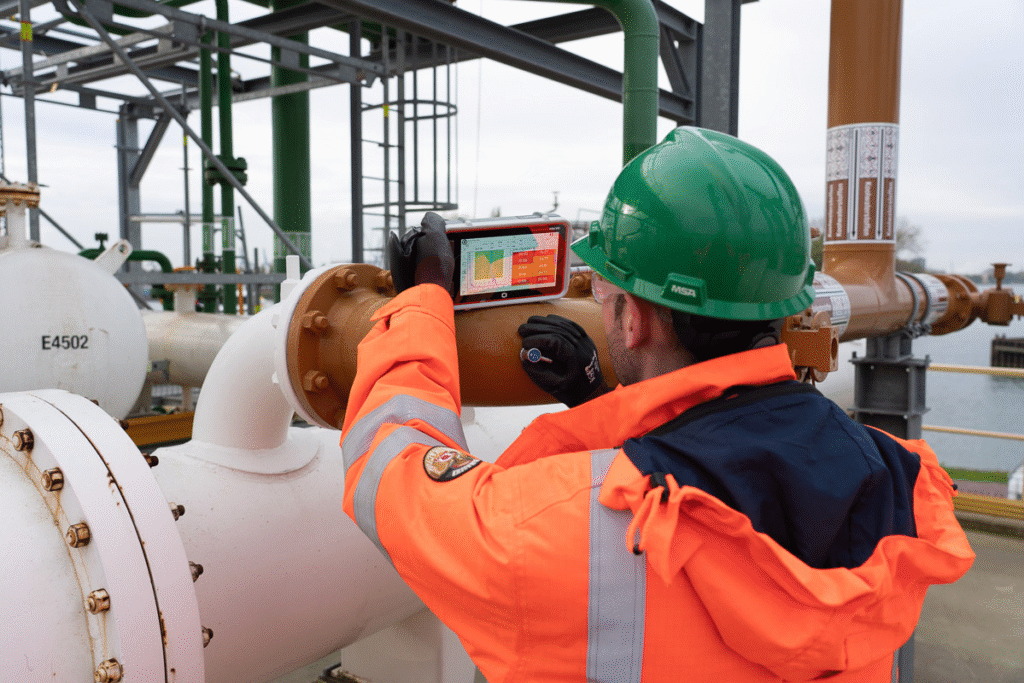
Manual scanning tolerates lower channel counts because a technician can take the time to cover the surface thoroughly. Automated or robotic deployment needs enough channels to cover the same surface in one pass without slowing down the line. Speed requirements and channel count are directly linked.
- How automated does deployment need to be?
Handheld, encoded manual, or fully robotic, each level demands different data acquisition rates and probe durability. A probe built for handheld screening won’t survive or perform the same way mounted on a scanner running continuous passes.
- What environment is the probe working in?
Temperature extremes, radiation exposure, submersion, or confined-space access can eliminate options before performance specs even come into play. Environmental constraints are often the first filter, not the last.
- What’s your data analysis workflow?
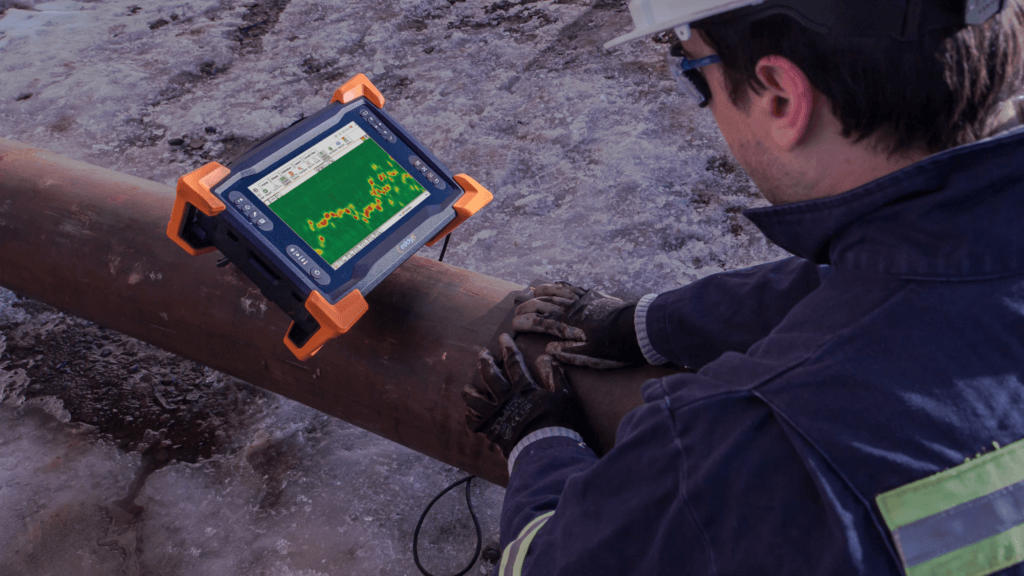
Real-time C-scan review in the field is a different requirement than offline analysis by a Level II or Level III analyst later. This shapes your software needs as much as it shapes the hardware you select.
- What standards and procedures govern the inspection?
Client specifications, code requirements, and qualification records constrain probe design and calibration blocks before you even open a catalog. Confirming these upfront prevents rework after equipment is already purchased.
- What’s the total cost of ownership?
Instrument price is one line item. Probe consumables, calibration standards, training, and software licensing make up the rest of the real number. A cheaper instrument with expensive, hard-to-source probes can cost more over time than a higher upfront investment.
The Instrument Comes Last
Get the inspection requirements right, and the right ECA setup becomes obvious. Working through these 10 questions before comparing instruments saves time, prevents costly mismatches, and gets you equipment that actually fits the job in front of you.
For a more detailed guide and discussion, schedule a call with us today.